
Between Sessions: Our Hope & Healing Blog

How to Create a Routine to Manage Your Depression
Depression can make even simple tasks feel overwhelming. On days when getting out of bed feels impossible, having a consistent daily routine can be a lifeline. While routines can’t cure depression overnight, they provide structure, boost motivation, and help regulate...

How Mindfulness Can Improve Your Relationship
Mindfulness for relationships is more than a trend—it’s a proven way to strengthen communication, deepen emotional intimacy, and reduce conflict. Whether you’re newly dating or have been together for years, incorporating simple mindfulness exercises into daily life...

How Mindfulness Improves Academic Performance
Mindfulness isn’t just a trendy self-care buzzword—it’s a scientifically backed practice that can significantly boost academic performance, including grades, focus, creativity, and overall well-being. When students practice mindfulness regularly, they often report...

How to Prepare for a Mental Health Emergency
Even when you practice good self-care, life stressors can sometimes snowball—leaving you feeling overwhelmed, exhausted, or emotionally unbalanced. Preparing in advance for a mental health emergency can make all the difference in how you cope. Just like stocking a...

How Social Media Affects Our Relationship with Our Bodies
An account from a real social media user: I downloaded social media for the first time at 13 years old. After having asked (begged, really) for some time, my parents finally gave me permission to use social media, and I was ecstatic. I downloaded everything:...

Noticing Burnout and How to Cope with It
Job-related burnout is a specific type of stress. We all feel stressed and tired from working a lot sometimes, but it can reach levels that are no longer within our control. Common signs of burnout are extreme exhaustion and stress, negativity, or cynicism towards our...
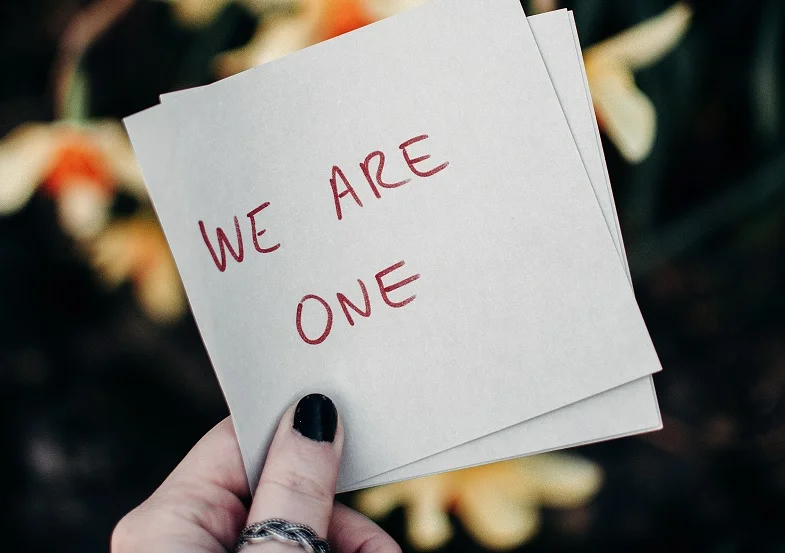
Destigmatizing Mental Health & Raising Awareness
Mental health has long been treated as a taboo topic—something to avoid or conceal. Yet the reality is that mental well-being is just as vital as physical health. By openly discussing our struggles, we create stronger communities, encourage those in need to seek help,...

Why Trauma Makes It Hard to Think (and Other Common Post-Trauma Symptoms)
Trauma isn’t just a memory—it’s a lived experience that changes how the brain and body function. If you've ever felt like you “can’t think straight” after something distressing, you’re not alone. Trauma can hijack the nervous system, making everyday tasks feel...

Mindfulness On the Go: Simple Ways to Stay Present in a Busy Life
In today’s fast-moving world, it’s easy to operate on autopilot. When your to-do list is never-ending and your schedule is packed, staying present can feel like a luxury you just don’t have time for. But here’s the truth: mindfulness isn’t about pausing your life—it’s...

The Need for Safe Spaces to Support Mental Health
As mental health awareness grows, so too does the recognition of the need for safe spaces—environments where people can feel emotionally secure, respected, and free to express themselves without fear of judgment or harm. These spaces are becoming more common in...